


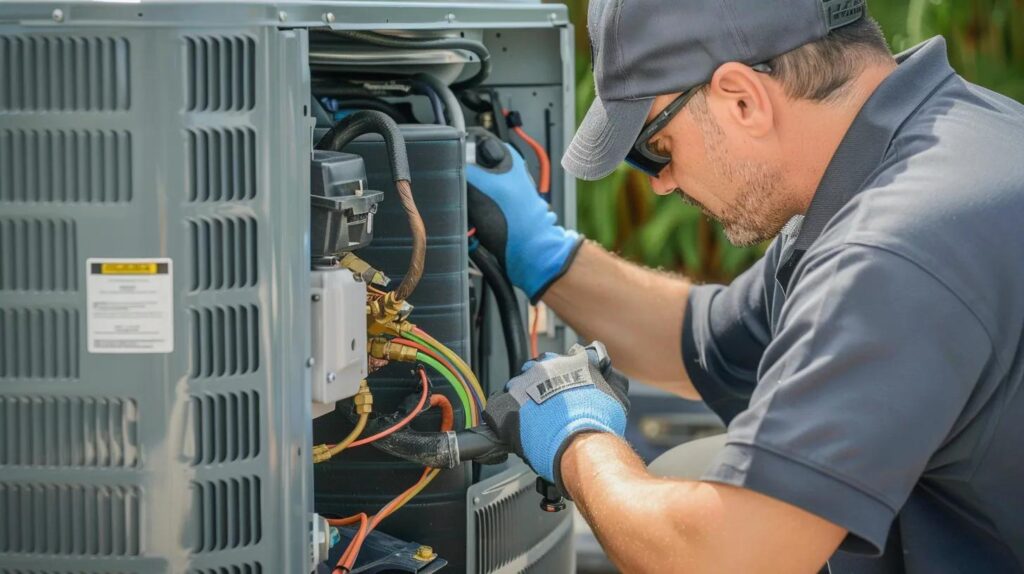
Pre-Season HVAC Checklist for Optimal Performance: Essential Maintenance Tips and Tune-Up Guide
As the seasons change, ensuring your HVAC system is ready for the demands of heating or cooling is crucial for optimal performance. A pre-season HVAC checklist helps homeowners identify essential maintenance tasks that can enhance system efficiency and reliability. This guide will provide you with a comprehensive overview of the key steps to prepare your HVAC system for the upcoming season, ensuring it operates smoothly and efficiently. Many homeowners overlook these critical maintenance tasks, which can lead to increased energy costs and system failures. By following this checklist, you can avoid these pitfalls and enjoy a comfortable indoor environment. We will cover essential inspection steps, the benefits of seasonal service, best practices for tune-ups, and how to prepare your HVAC system for the unique climate of Northern Michigan. Taking the time to perform these tasks before the season starts can save you from unexpected breakdowns and costly emergency repairs.
What Are the Key Steps in a Pre-Season HVAC Maintenance Checklist?
- Inspect and Clean Components: Regularly check and clean components such as the furnace, air conditioner, and thermostat to ensure they are functioning correctly. This helps prevent dust buildup and mechanical wear that can reduce system performance.
- Replace Filters: Change HVAC filters to maintain optimal airflow and efficiency. Clogged filters can lead to increased energy consumption and system strain. Using the right type of filter for your system and environment is also important to maximize benefits.
- Check Thermostat Settings: Ensure your thermostat is set correctly for the season to maintain comfortable temperatures without overworking the system. Consider upgrading to a programmable thermostat for better control and energy savings.
How to Inspect and Clean HVAC System Components Effectively
Inspecting and cleaning HVAC system components is crucial for maintaining efficiency. Start by checking the furnace and air conditioning units for any visible dust or debris. Use a vacuum or a soft brush to clean the exterior and accessible interior parts. Ensure that the condensate drain is clear to prevent water damage. Additionally, inspect the ductwork for any signs of leaks or blockages, as these can significantly impact system performance. Cleaning these components not only improves airflow but also reduces the risk of mold growth and allergens circulating in your home. Regular cleaning can also help identify worn or damaged parts early, allowing for timely repairs.
When and How to Replace HVAC Filters for Best Efficiency
Replacing HVAC filters is a simple yet effective way to enhance system efficiency. Filters should be checked monthly and replaced every 1-3 months, depending on usage, filter type, and indoor air quality. Look for signs of dirt and clogging, which can restrict airflow. Using high-efficiency filters can improve indoor air quality and reduce energy costs, making it a worthwhile investment. It is also important to choose filters that are compatible with your HVAC system to avoid strain on the blower motor. In homes with pets or allergy sufferers, more frequent filter changes may be necessary to maintain clean air.
In fact, research supports the notion that strategic filter choices can lead to notable energy savings.
HVAC Filters: Pressure Drop & Energy Use
high-efficiency HVAC filters generally have a higher-pressure drop and are presumed to have large energy penalties associated with their use. However, our results show that the energy consumption (2–4%) during cooling mode for both unit types, energy savings can be achieved by using high-efficiency filters.
The relationship between filter pressure drop, indoor air quality, and energy consumption in rooftop
HVAC units, A Novoselac, 2014
How Does Seasonal HVAC Service Improve Energy Efficiency and System Reliability?
Seasonal HVAC service plays a significant role in improving energy efficiency and system reliability. Regular maintenance helps identify potential issues before they escalate into costly repairs. By ensuring that your system operates at peak efficiency, you can enjoy lower energy bills and a more comfortable home environment. Seasonal tune-ups also help maintain proper refrigerant levels, lubricate moving parts, and verify system controls, all of which contribute to smoother operation. Additionally, professional servicing can extend the lifespan of your equipment by reducing wear and tear.
What Safety Checks Are Crucial Before Heating or Cooling Seasons?
Before the heating or cooling seasons, several safety checks are essential to ensure your HVAC system operates safely. These include:
- Inspecting Electrical Connections: Check all electrical connections for signs of wear or damage. Loose or corroded connections can cause shorts or fires.
- Testing Safety Controls: Ensure that safety controls, such as limit switches and pressure switches, are functioning correctly. These controls prevent dangerous operating conditions.
- Checking for Gas Leaks: If you have a gas furnace, inspect for any gas leaks, which can pose serious safety risks. This should be done by a qualified technician using specialized equipment.
Performing these safety checks not only protects your home and family but also ensures that your HVAC system complies with local codes and regulations.
How Does Regular Maintenance Reduce HVAC Operating Costs?
Regular maintenance can significantly reduce HVAC operating costs by ensuring that the system runs efficiently. A well-maintained system consumes less energy, leading to lower utility bills. Additionally, addressing minor issues during routine maintenance can prevent costly repairs down the line, further enhancing savings. Maintenance tasks such as cleaning coils, lubricating motors, and calibrating controls help the system operate at its designed capacity, reducing unnecessary energy use. Over time, these savings can offset the cost of professional tune-ups and extend the life of your equipment.
What Are the Best Practices for HVAC System Inspection and Tune-Up?
Implementing best practices for HVAC system inspection and tune-up can enhance performance and longevity. Here are some recommended practices:
- Schedule Regular Inspections: Have your HVAC system inspected at least once a year by a professional to catch any potential issues early. Early detection can prevent breakdowns during peak usage times.
- Keep Outdoor Units Clear: Ensure that outdoor units are free from debris, leaves, and vegetation to allow for proper airflow. Obstructions can cause the system to overheat and reduce efficiency.
- Calibrate Thermostats: Regularly calibrate your thermostat to ensure accurate temperature readings and efficient operation. This helps avoid unnecessary cycling and energy waste.
How to Calibrate Thermostats for Optimal Climate Control
Calibrating your thermostat is essential for optimal climate control. Start by checking the current temperature against a reliable thermometer. If there is a discrepancy, adjust the thermostat settings accordingly. This simple step can help maintain consistent indoor temperatures and improve energy efficiency. For programmable thermostats, verify that schedules and setpoints match your lifestyle and seasonal needs. Proper calibration can also reduce wear on your HVAC system by preventing short cycling and excessive runtime.
Indeed, studies highlight the significant impact of proper thermostat management on overall energy consumption.
HVAC Operational Efficiency: Setpoints & Schedules
Studies have shown that managing the setpoints and schedules of rooftop units (RTUs; air-conditioners and heat pumps) will result in up to 20% energy and cost savings.
Improving HVAC operational efficiency in small-and medium-size commercial buildings, S Katipamula, 2017
Which Common HVAC Issues Should Be Troubleshooted Pre-Season?
Before the season begins, it’s important to troubleshoot common HVAC issues. Some common problems include:
- Unusual Noises: Listen for any strange sounds coming from the system, which may indicate mechanical issues. Squealing, banging, or rattling noises should be investigated promptly.
- Inconsistent Temperatures: If certain areas of your home are not heating or cooling properly, it may be a sign of ductwork issues or a malfunctioning thermostat. Uneven temperatures can also indicate airflow problems or insulation deficiencies.
- Increased Energy Bills: A sudden spike in energy bills can indicate that your system is working harder than it should, often due to maintenance neglect. This can be caused by dirty filters, refrigerant leaks, or failing components.
Addressing these issues before the season starts can prevent discomfort and costly emergency repairs during extreme weather.
How Can Homeowners Prepare Their HVAC Systems for Northern Michigan Climate?
Preparing HVAC systems for the Northern Michigan climate involves understanding local weather patterns and making necessary adjustments. The harsh winters and humid summers can put a strain on HVAC systems, making it essential to ensure they are ready for these conditions. Homeowners should also consider insulating pipes and sealing ducts to improve system efficiency and prevent heat loss. Additionally, investing in a backup heating source or generator can provide peace of mind during power outages common in severe weather.
What Local Climate Factors Affect HVAC Seasonal Maintenance?
- Cold Winters: Ensure that heating systems are adequately serviced to handle extreme cold. This includes checking heat exchangers, pilot lights, and fuel lines to prevent failures during freezing temperatures.
- High Humidity: Air conditioning systems should be checked for proper dehumidification capabilities to maintain comfort during humid summer months. Proper drainage and refrigerant levels are critical to effective moisture control.
Understanding these factors helps tailor maintenance and system settings to local conditions, improving comfort and efficiency year-round.
How to Schedule Professional HVAC Tune-Ups with Lemcool's Heating and Cooling?
Scheduling professional HVAC tune-ups with Lemcool’s Heating and Cooling is straightforward. Homeowners can contactus us to set up an appointment for a comprehensive inspection and maintenance service. During the tune-up, technicians will perform a thorough check of the system, ensuring it is ready for the upcoming season. Regular professional maintenance not only enhances system performance but also extends the lifespan of your HVAC equipment. Lemcool’s experienced technicians can also provide personalized recommendations based on your system’s condition and your home’s specific needs, helping you make informed decisions about upgrades or repairs.
By following this pre-season HVAC checklist, homeowners can ensure their systems are prepared for the demands of the changing seasons, leading to improved efficiency, safety, and comfort. Taking proactive steps now can save time, money, and stress later, making your home a haven regardless of the weather outside.